RESINA
Roots of Resilience: Rural Knowledge as a Response to Global Ecological and Social Challenges
Underway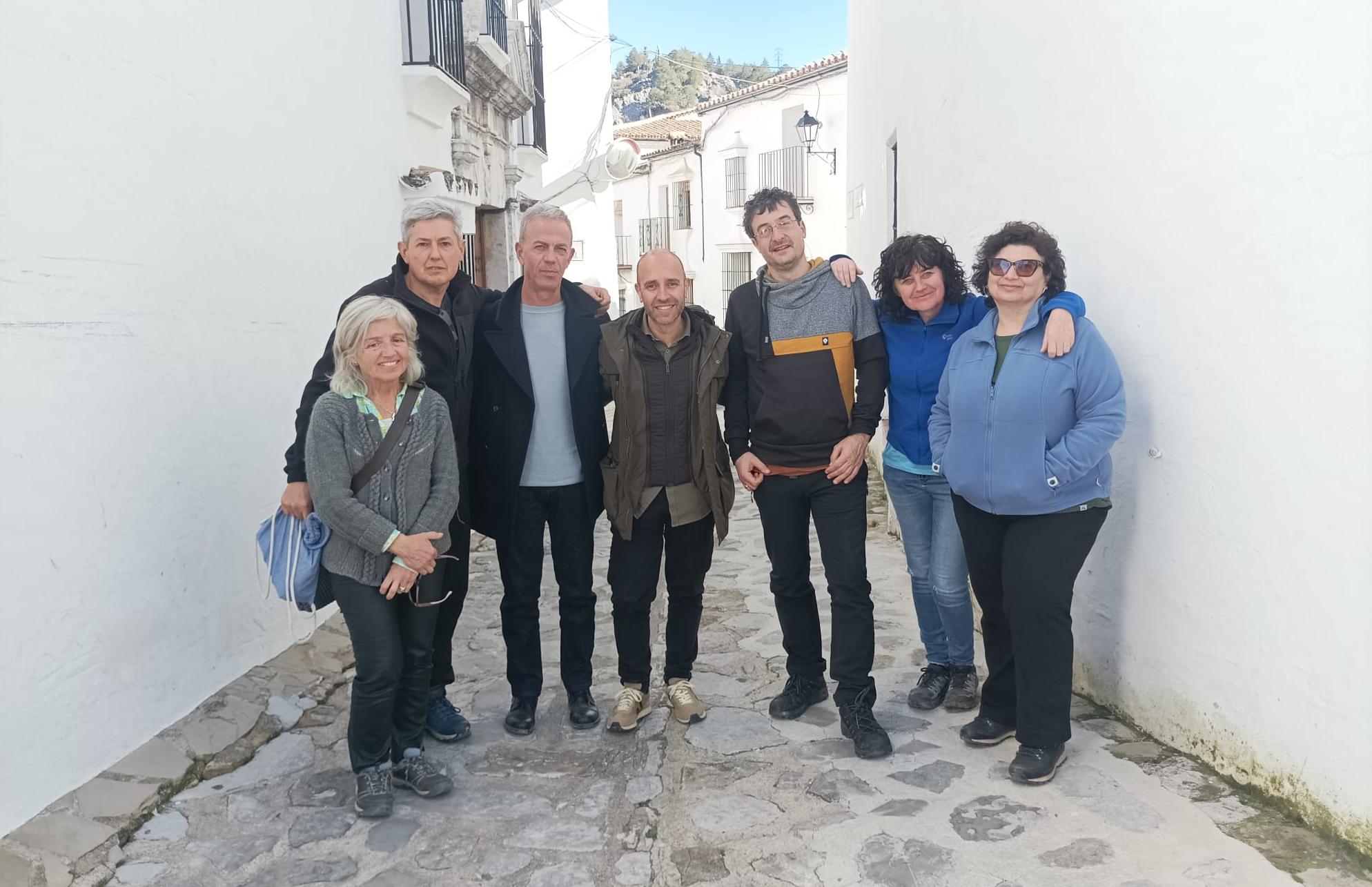
RESINA is a participatory research project that identifies and raises awareness of the knowledge and practices through which rural communities respond to social and environmental challenges.
In our villages, there are many forms of cooperation that underpin everyday life: care networks, shared resources, cultural initiatives, the use of local land, and neighbourhood responses to emergencies. They often go unnoticed because they are part of everyday life, yet they embody valuable knowledge and forms of organisation for tackling issues such as an ageing population, the loss of services or climate change.
The project is based on one idea: villages are also places of innovation and learning. By bringing together local residents, organisations and research teams, RESINA documents these experiences, analyses how they work and helps to ensure that the lessons learnt can be shared with other regions.
This approach seeks to recognise the value of local knowledge and of those who keep it alive, by examining both its contributions and the challenges and prospects for its continued existence.
What we do
Project objectives
- To identify rural practices that contribute to sustainability, care and the resilience of communities.
- To recognise and promote the knowledge of the local population.
- To encourage the participation of local residents, associations and other stakeholders in the research.
- To challenge the stereotypes that portray rural areas solely in terms of their shortcomings.
- To share experiences that may inspire similar responses in other towns and also in cities.
- To develop tools that facilitate the identification and sharing of these practices.
What activities are taking place?
- Establishment of local networks involving local residents, organisations, professionals and public authorities.
- Community gatherings and tea parties to identify local experiences and knowledge.
- Selection and study of significant practices through interviews and fieldwork.
- Compilation of a catalogue of experiences relating to care, culture, services, economic activity and the natural environment.
- Development of a website and teaching resources to enable users to access and share what they have learnt.
- A series of events on ‘New Rurality’ to bring together experiences and create opportunities for debate.
- Feedback sessions to share the results with the participating communities and gather their input.
How do we get involved?
At Serranías Vivas, we provide technical support to the University of Cádiz to bridge the gap between research and the people and experiences of the region. We help to revitalise local networks and community tea parties, identify and document practices through interviews, and organise the ‘Jornadas de Nueva Ruralidad’ conference. We contribute our knowledge of the region to encourage participation and ensure that the lessons learnt from the project reach the communities that make them possible.
Where and when
RESINA operates in three rural areas: the inland region of Castellón, the Navarrese Pyrenees and the Sierra de Cádiz. Within our study area, research focuses on Benaocaz, Grazalema and Zahara de la Sierra.
Status: underway.
Organisations and funding
The project is coordinated by the Universitat Jaume I and is being carried out in collaboration with the University of Cádiz and the Public University of Navarre.
It is funded by the Ministry of Social Rights, Consumer Affairs and the 2030 Agenda.




Would you like to take part or find out more?
Write to us at info@serraniasvivas.org and we’ll tell you how to get involved in the project.
