Projects and lines of action
We will work primarily on six lines of action that are developed in the Statutes of the Association:
1- Promote innovative techniques in the agricultural and livestock sector aligned with regenerative, holistic or permaculture practices that help:
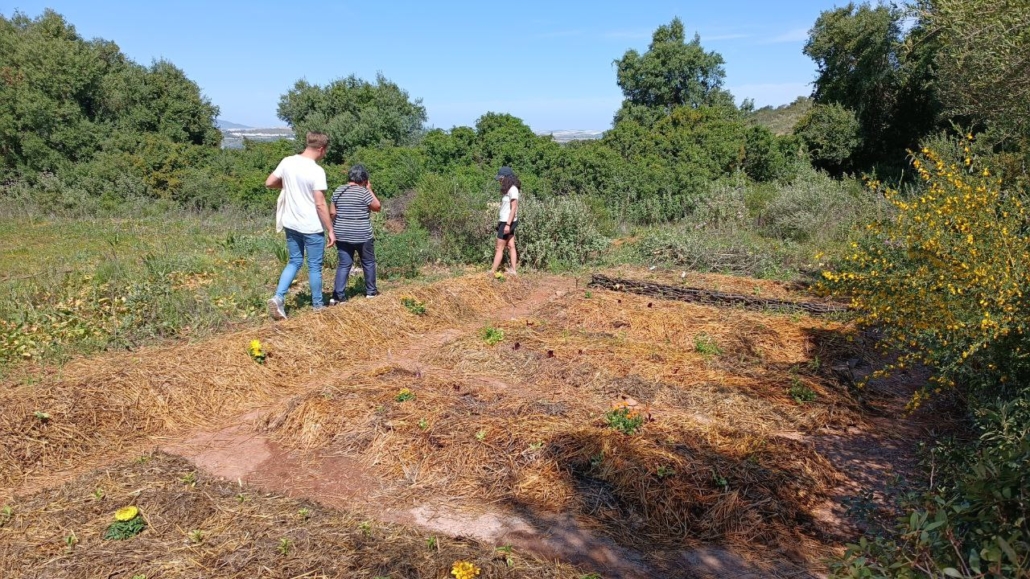
- Optimising water management.
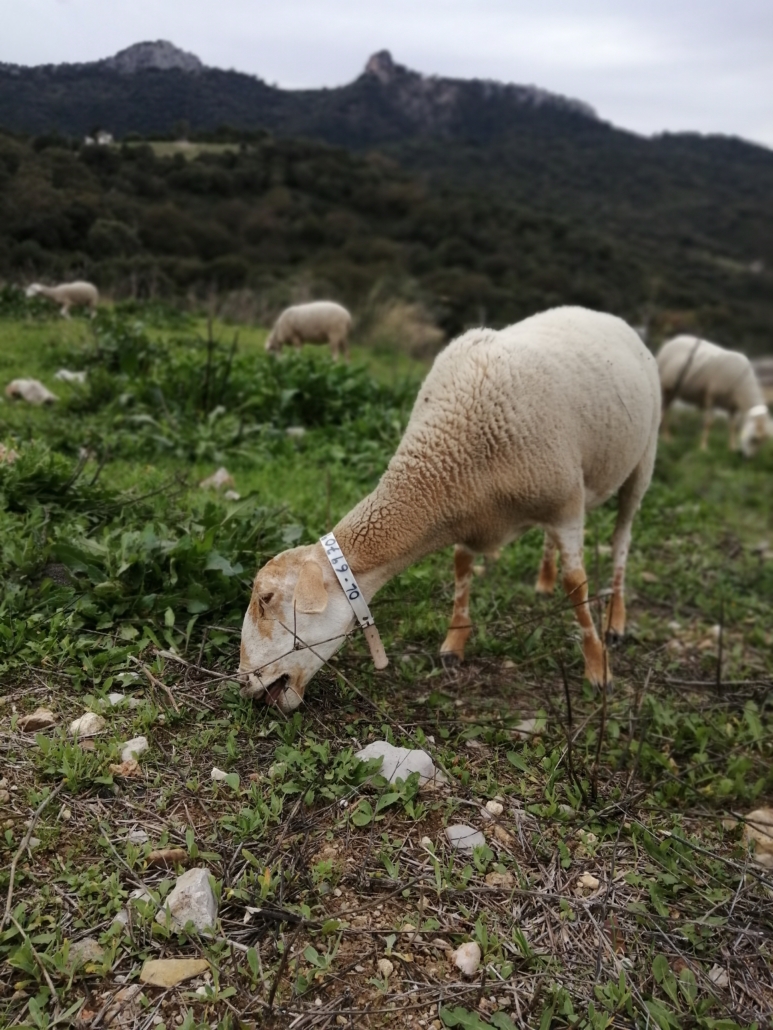
- Use livestock as a resource for soil improvement.
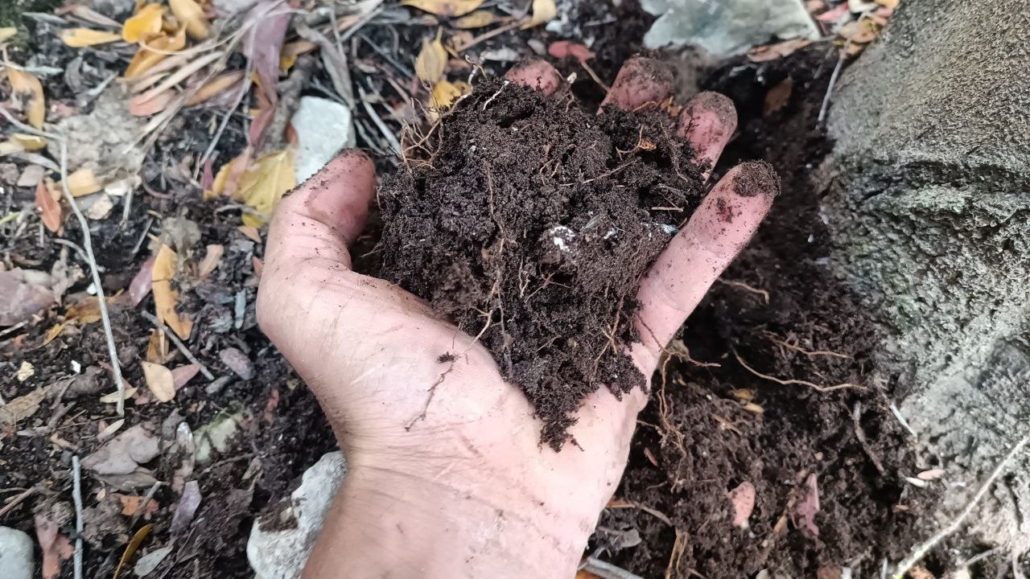
- Reduce erosion and soil loss.
- Implementing more resilient and ecosystem-friendly agricultural and livestock farming models
- Reduce dependence on external inputs such as feed, fuel, fertilisers, pesticides, pesticides, etc.
2- Study and promote strategies to fix population in the territory in relation to the agro-livestock activity.
- To improve the profitability of agricultural and livestock farms.
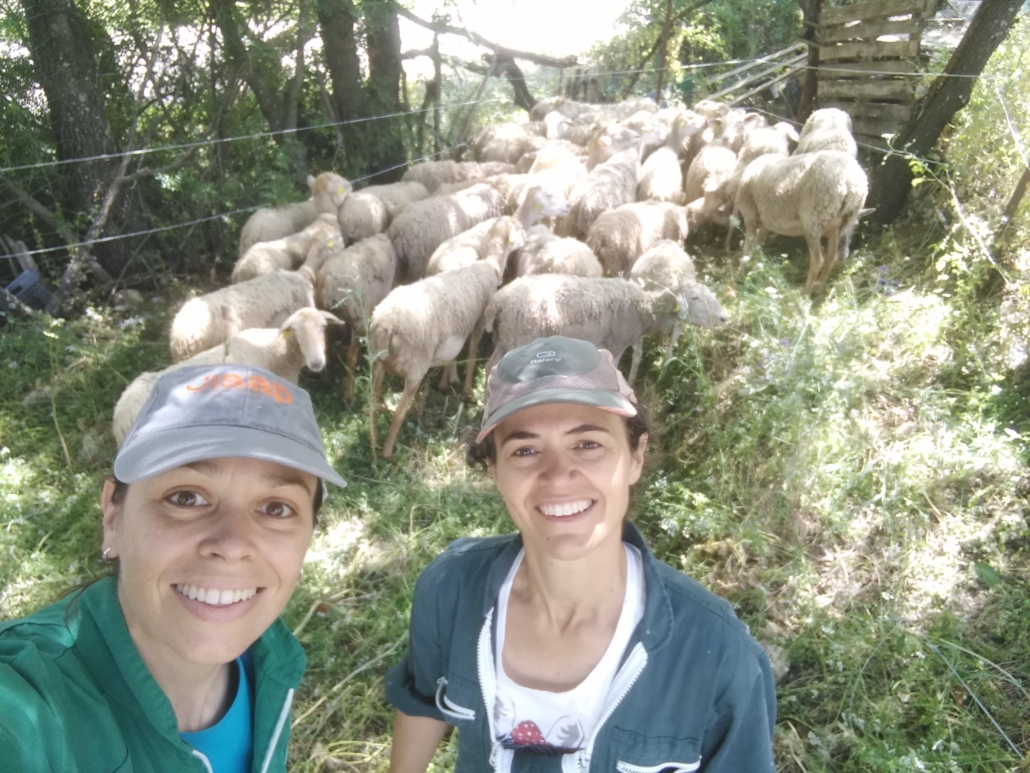
- Promote new management frameworks that break the model of isolated and solitary work of people engaged in agriculture and livestock farming.
- Encourage service exchange actions and mutual support mechanisms for assistance and volunteering.
- Encourage the implementation of digitalised management models, etc.
- Seek alternatives to family generational replacement to give continuity to farms, when this does not take place.
3- To value the KM 0 agro-livestock product.
- Seek solutions to promote the local sale of the product in restaurants, shops and local product markets.
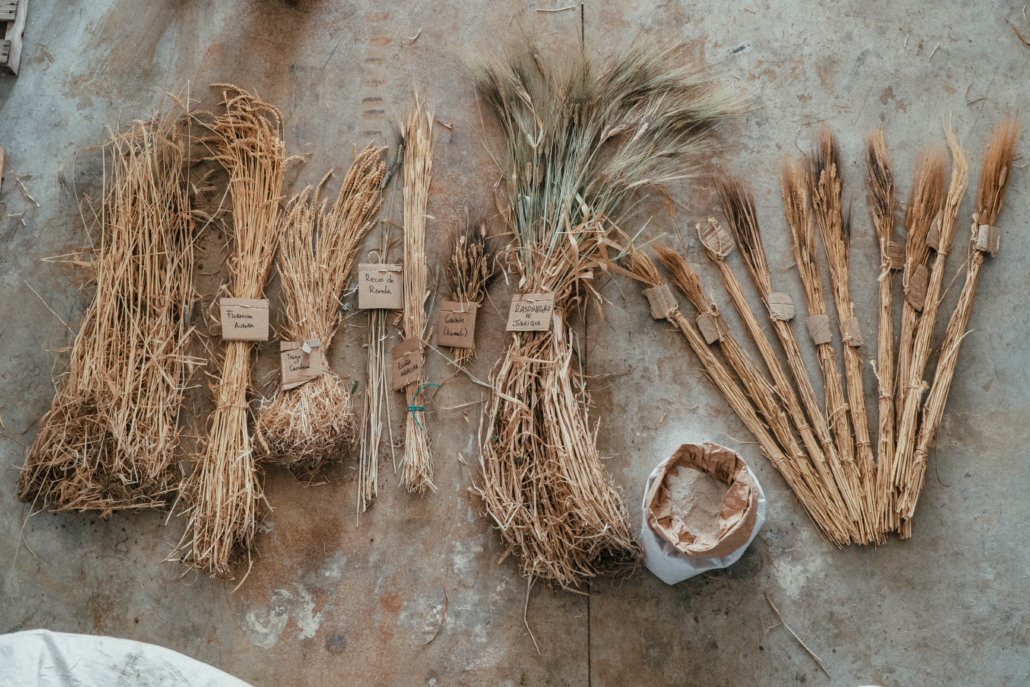
- To rescue and promote the production of traditional secondary products in danger of disappearing, with their own products: wool, leather, vegetable fibres, canned vegetables etc..,
- Define and implement new lines of activity such as farm visits, active holidays, economic compensation for ecosystem services and carbon sequestration.
- Promote new frameworks for direct marketing of primary and secondary products, at farm level, through consumer groups, etc.
4- Promote infrastructures and legal frameworks that facilitate agricultural and livestock farming with regenerative criteria.
- Tool and small machinery banks; seed banks, and spaces for plant and tree exchange
- Creation of local and small-scale facilities: mobile slaughterhouses or small local slaughterhouses and cutting plants, shared secondary product processing/product transformation infrastructures: cheese dryers, canneries, leather tanning workshops, wool laundries and spinning mills, etc.
- Promote the recovery of livestock trails to preserve wild flora and fauna and encourage the improvement of rural roads that are essential for facilitating livestock traffic.
- Work to improve and simplify regulations to enable small-scale production and marketing of primary and secondary products.
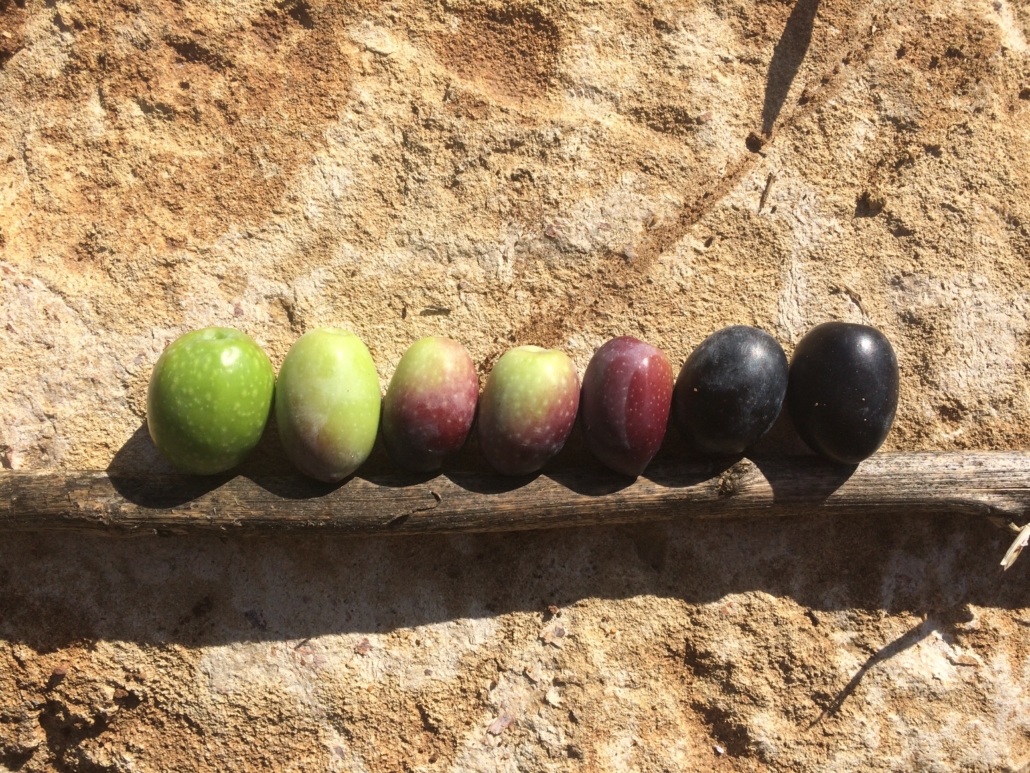
- To rescue disused traditional equipment that could have a second active life and form part of the ethnographic heritage of the area: old oil mills, wool workshops ,
5. Land stewardship and enhancing biodiversity
- To convert the Association into a Land Stewardship Entity and to develop activities accordingly.
- Promoting biodiversity in agricultural and livestock farming models
- Undertake actions to improve the provision of ecosystem services.
- Improve regulatory compatibility and financing schemes between agri-livestock farming and biodiversity enhancement.
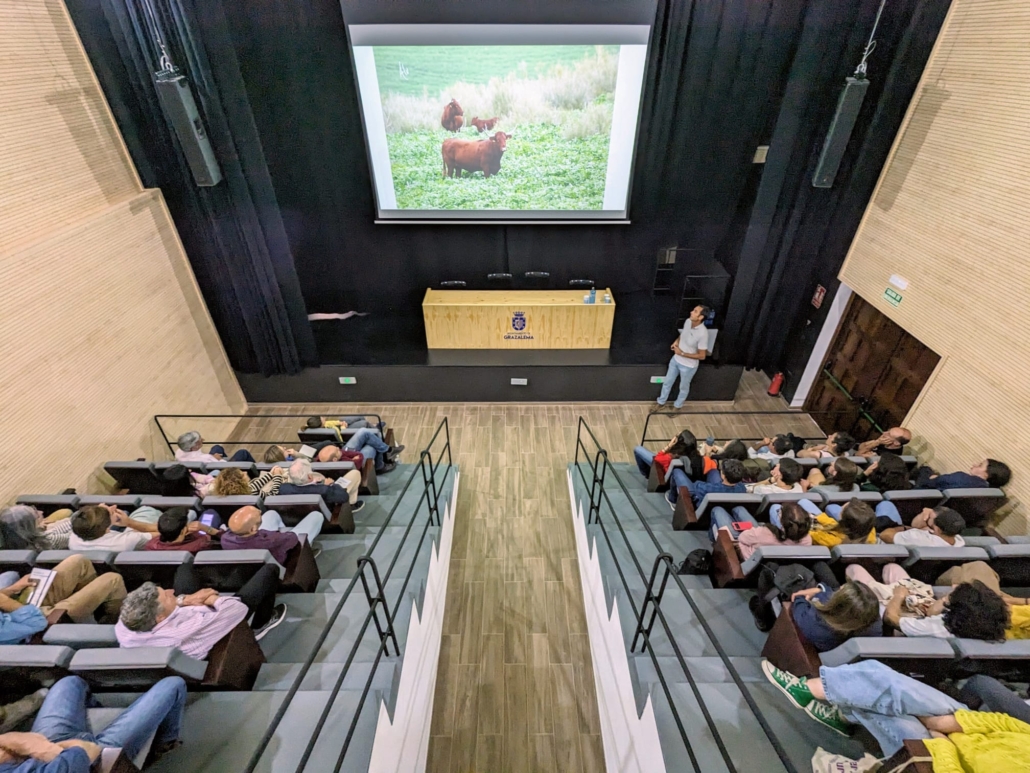
6. Training and outreach
- Promote the adaptation of vocational training to the real needs of farms and establish agreements with dual vocational training centres.
- Establish specific training mechanisms and programmes for members and the agro-livestock sector in general.
- Promote the dissemination and exchange of information on more resilient crop and livestock production systems adapted to new climatic and social scenarios.
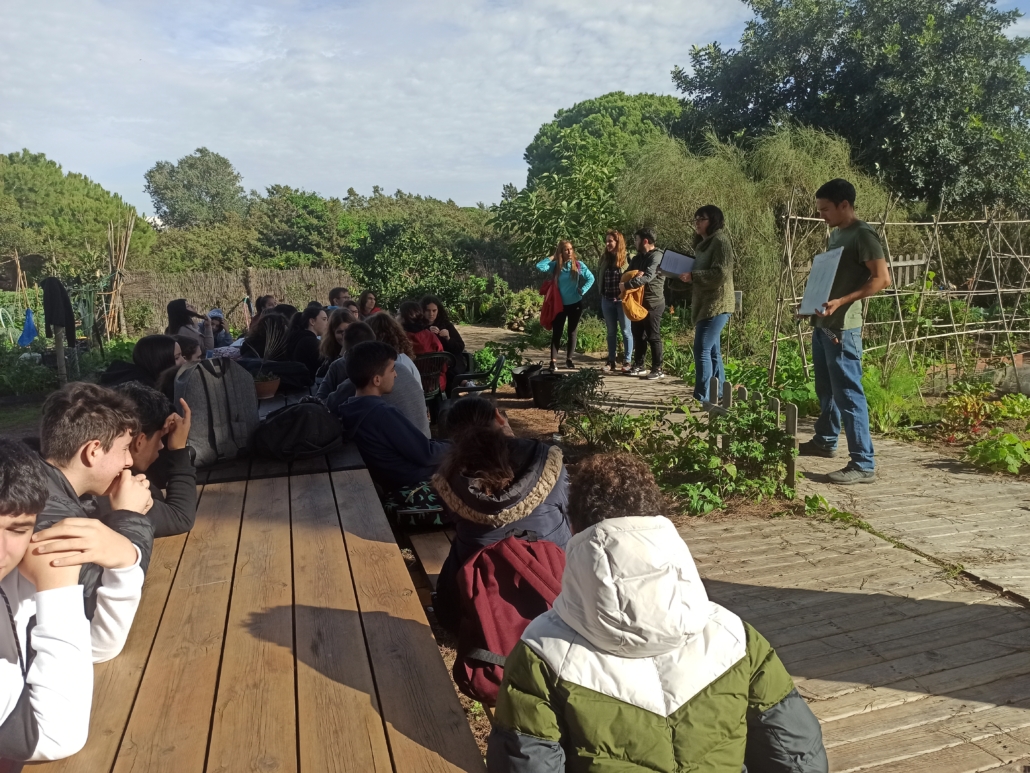
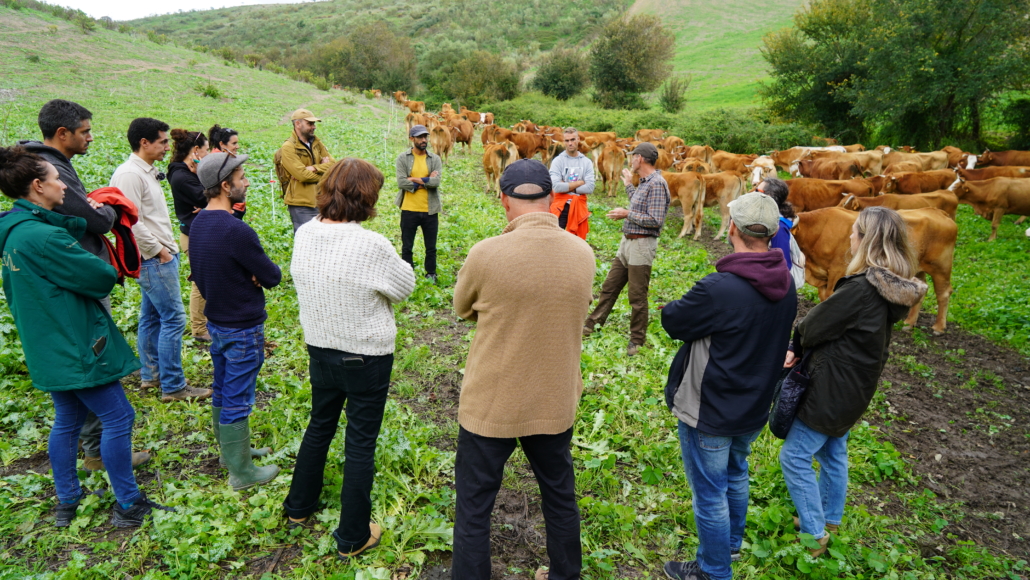
- Promote and encourage outreach, collaborative and volunteering activities aimed at local people and visitors, in order to raise awareness of the advantages of agroecological solutions to address rural challenges
- Raise awareness of the need to consume products resulting from environmentally friendly agricultural and livestock farming practices.